

Understanding the Importance of Enamel Protection During Orthodontic Treatment
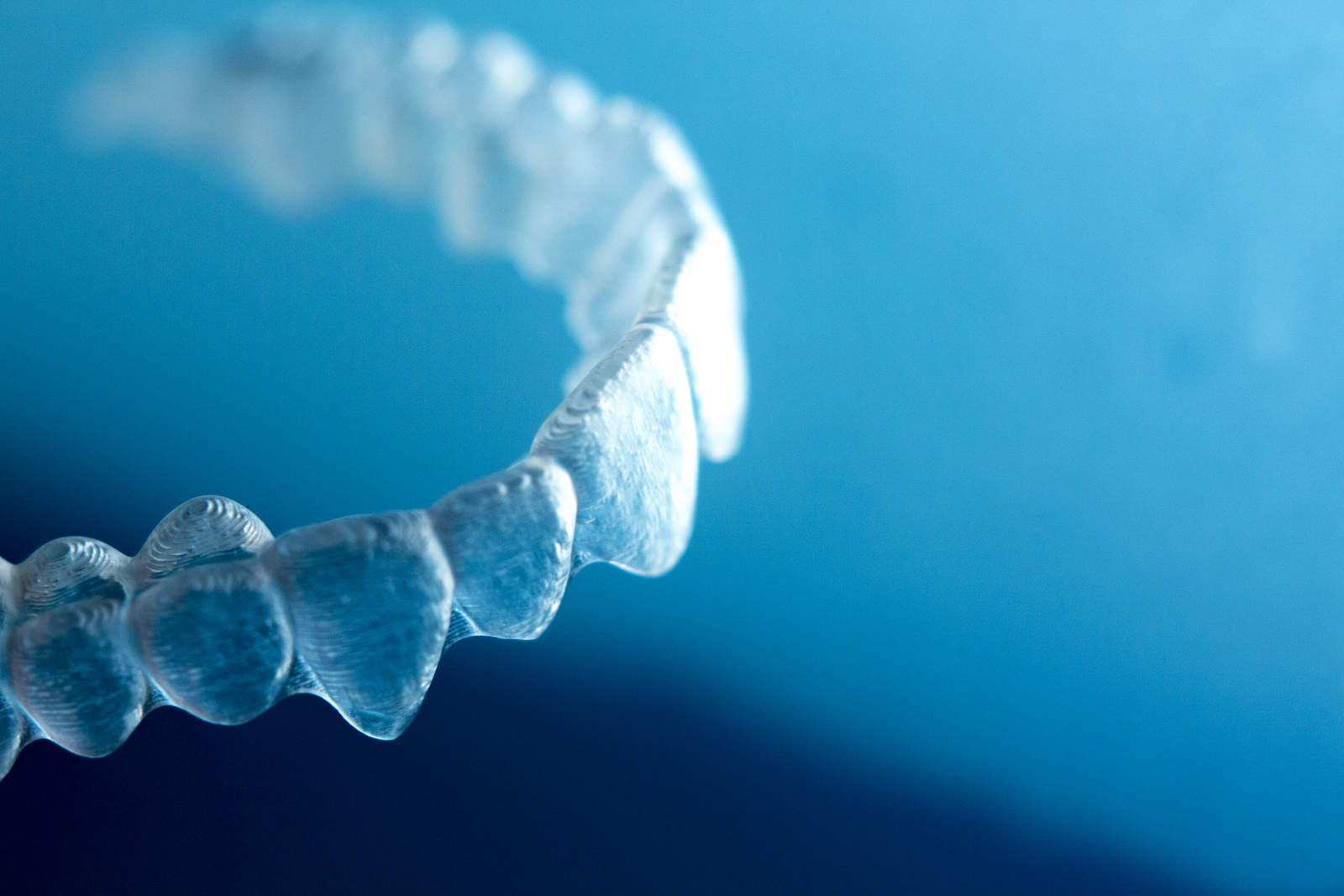
The pursuit of a straighter smile should never come at the expense of dental health, particularly when it concerns the precious enamel that safeguards our teeth. Traditional orthodontic treatments have long raised concerns amongst dental professionals regarding enamel demineralisation and white spot lesions that can develop during the course of treatment. However, modern clear aligner systems have revolutionised the approach to tooth movement whilst simultaneously prioritising enamel preservation. The transparent aligners of Invisalign in Plymouth represent a significant advancement in orthodontic technology, offering patients a method of achieving their desired smile without compromising the structural integrity of their tooth enamel.
Enamel, the hardest substance in the human body, serves as the first line of defence against decay and damage. Once lost, it cannot regenerate, making its preservation paramount during any dental intervention. The innovation behind Invisalign has addressed many of the enamel-related challenges that conventional fixed braces present. By understanding the mechanisms through which clear aligners protect enamel, patients can make informed decisions about their orthodontic journey with confidence.
The Science Behind Removable Aligners and Enamel Health
Clear aligner technology operates on fundamentally different principles compared to traditional braces, and these differences have profound implications for enamel health. Fixed braces create numerous retention sites around brackets and wires where plaque can accumulate, leading to localised areas of demineralisation. Research has shown that methods used to determine demineralisation of enamel associated with orthodontic treatment have helped clinicians better understand these risks and develop strategies to mitigate them.
The removable nature of clear aligners fundamentally alters the equation. Patients can remove their aligners during meals and for oral hygiene routines, allowing for thorough brushing and flossing without the impediments that brackets and wires present. This accessibility ensures that teeth can be cleaned to the same standard as before orthodontic treatment commenced, significantly reducing the risk of plaque accumulation and subsequent acid attacks on enamel surfaces.
Controlled Force Application and Enamel Preservation
The gradual and controlled force application inherent to clear aligner systems plays a crucial role in maintaining enamel integrity throughout the treatment process. Unlike traditional braces, which can sometimes apply excessive pressure to teeth, aligners are designed to move teeth incrementally through a series of custom-fabricated trays. Each aligner in the sequence applies gentle, calculated pressure to specific teeth, ensuring that movement occurs without compromising the structural stability of the enamel or the underlying dentine.
This precision engineering means that teeth are never subjected to the sudden adjustments that can occur with wire tightening in conventional orthodontics. The biomechanical principles underlying clear aligner treatment ensure that forces remain within physiological limits, promoting healthy bone remodelling whilst the enamel surface remains undisturbed. The smooth plastic surface of the aligners also eliminates the friction and abrasion that metal brackets can cause against the enamel.
Enhanced Oral Hygiene Protocols During Treatment
The success of any orthodontic treatment in preserving enamel depends significantly upon patient compliance with oral hygiene protocols. Clear aligners facilitate superior dental hygiene practices compared to fixed appliances. Studies have demonstrated that orthodontic recovery and hygiene protocols preserve enamel health when patients maintain consistent cleaning routines throughout their treatment journey.
Patients undergoing treatment with clear aligners can brush and floss normally, ensuring that bacterial biofilm is disrupted regularly and thoroughly. Furthermore, the aligners themselves can be cleaned separately, preventing the accumulation of bacteria that might otherwise transfer to tooth surfaces. This dual approach to hygiene—caring for both the aligners and the teeth independently—creates an environment far less conducive to enamel demineralisation than that created by permanent orthodontic fixtures.
Maintaining Dental Health Through Modern Orthodontics
The evolution of orthodontic treatment has brought remarkable benefits to patients seeking straighter teeth without sacrificing enamel health. Clear aligner technology represents a significant milestone in this journey, combining aesthetic appeal with evidence-based enamel protection. Research continues to support the efficacy of clear aligners in maintaining oral health during orthodontic treatment, providing both practitioners and patients with confidence in this approach. As dental science advances, the focus remains firmly on achieving beautiful smiles whilst preserving the natural strength and integrity of tooth enamel for lifelong dental health.
