

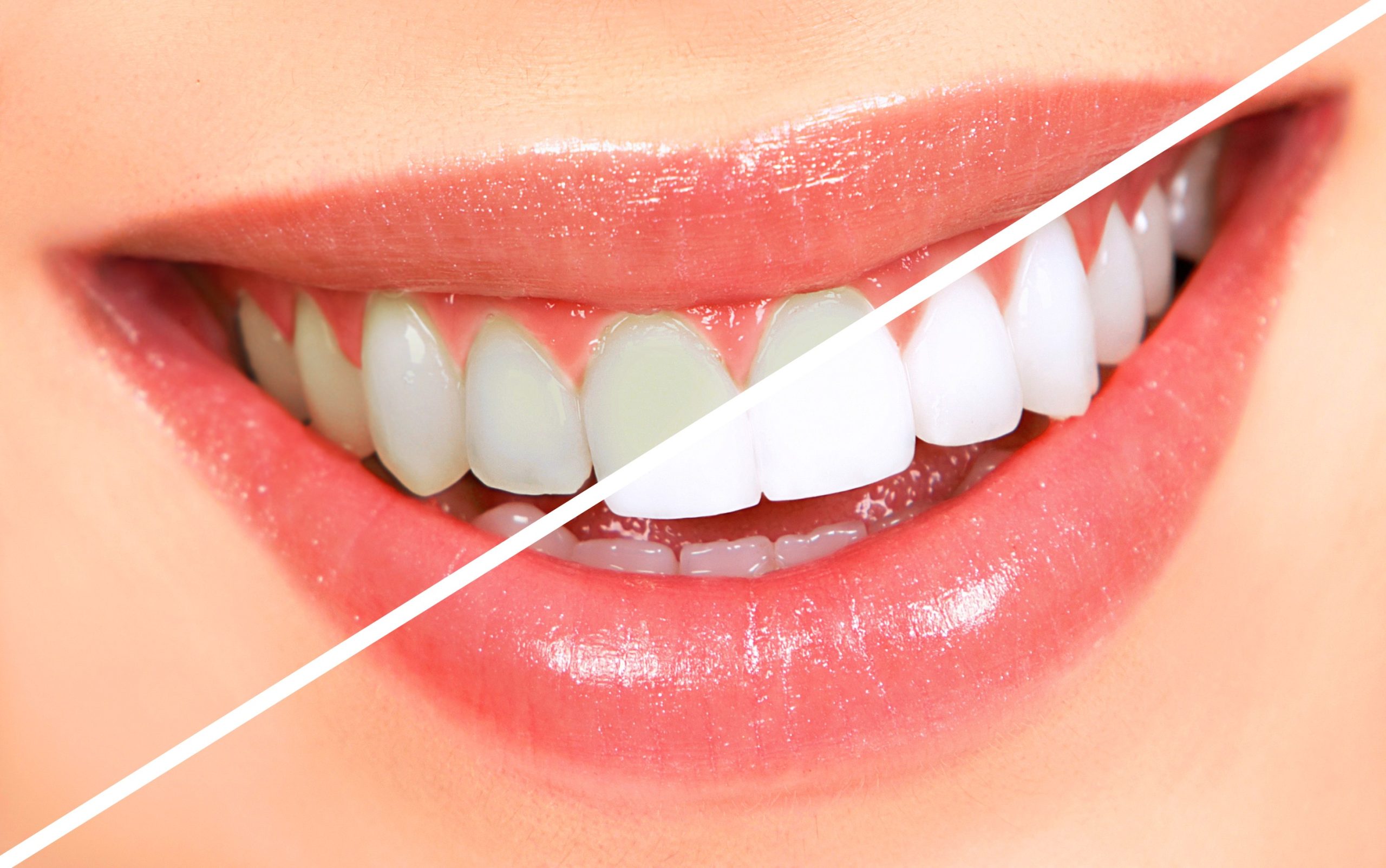
Understanding the Connection Between Water Quality and Dental Aesthetics
When people begin the process of achieving a brighter, more radiant smile, they often concentrate on the whitening treatment itself while overlooking an important factor that can influence the outcome: the quality and mineral content of the water they drink every day. Whether undergoing professional treatment or exploring options for teeth whitening Macleod, understanding the role of drinking water can help maximise results and maintain a whiter smile for longer. Minerals such as calcium, magnesium, fluoride, and iron interact with tooth enamel in different ways, potentially enhancing or diminishing the effectiveness of whitening treatments.
The connection between water quality and oral health extends well beyond routine dental hygiene. The minerals present in drinking water can affect teeth in a variety of ways, making this relationship particularly relevant for individuals pursuing cosmetic dental improvements.
Mineral deposits may accumulate on tooth surfaces, alter the mouth’s pH balance, and influence enamel porosity, all of which can impact how effectively whitening agents penetrate the teeth and lift stains. By understanding these interactions, patients can make more informed decisions about maintaining their whitening results and supporting long-term oral health.
The Role of Hard Water in Teeth Whitening Success
Hard water, characterised by high concentrations of calcium and magnesium, presents unique challenges for those seeking whiter teeth. These minerals can accumulate on tooth surfaces over time, creating a film that acts as a barrier between whitening agents and the enamel itself. This mineralisation doesn’t occur overnight but develops gradually through regular exposure to hard water during daily activities such as drinking, brushing, and rinsing.
The calcium carbonate deposits that form from hard water can also contribute to visible staining, particularly when combined with chromogenic substances from foods and beverages. For individuals considering teeth whitening Macleod services or similar treatments elsewhere, addressing hard water exposure becomes an important part of the preparation process. Dental professionals often recommend specific pre-treatment protocols to remove mineral build-up before commencing whitening procedures, ensuring optimal penetration of whitening compounds.
Fluoride Content and Its Impact on Whitening Treatments
Fluoride in drinking water has long been celebrated for its protective properties against tooth decay, but its presence also influences whitening outcomes. Understanding local water quality helps individuals make informed decisions about their dental care routines. Appropriate fluoride levels strengthen enamel and can actually support better whitening results by creating a more resilient tooth surface that responds well to treatment.
However, excessive fluoride exposure during tooth development can lead to fluorosis, a condition that causes white spots or streaks on teeth. These markings differ from the natural tooth colour and can prove resistant to conventional whitening treatments. The concentration of fluoride in local water supplies varies considerably across different regions, making it essential for individuals to understand their specific water composition when planning whitening procedures.
Iron and Manganese: The Hidden Culprits Behind Discolouration
Less commonly discussed but equally important are trace minerals such as iron and manganese found in some water supplies. These elements can cause distinctive brownish or yellowish staining on teeth, particularly when present in elevated concentrations. Unlike surface stains from coffee or tea, mineral-based discolouration often penetrates more deeply into the enamel structure, requiring more comprehensive whitening approaches to address successfully.
Iron-rich water doesn’t necessarily taste metallic or appear discoloured, meaning many people remain unaware of its presence until they notice dental staining. This type of discolouration can interfere with whitening treatments by creating uneven results, where some areas of teeth respond well whilst others remain stubbornly darkened. Professional assessment of water quality can help identify whether mineral content might be contributing to ongoing discolouration issues.
pH Levels and Enamel Porosity Considerations
The acidity or alkalinity of water, measured by pH levels, influences how receptive tooth enamel becomes to whitening agents. Carbonated water and dental health represents another dimension of this discussion, as sparkling water typically has a lower pH than still water. Slightly acidic water can temporarily increase enamel porosity, which might seem beneficial for whitening agent penetration but can also lead to increased sensitivity and faster re-staining after treatment.
Conversely, highly alkaline water may create a protective barrier on teeth that resists both staining and whitening treatments. Finding the optimal balance becomes crucial for maintaining both dental health and aesthetic results following teeth whitening Macleod procedures or treatments obtained elsewhere.
Maximising Your Whitening Results Through Water Awareness
Understanding the mineral content of drinking water empowers individuals to make informed decisions about their dental care routines and whitening expectations. Those living in areas with challenging water quality may benefit from using filtered water for drinking and oral hygiene, potentially extending the longevity of teeth whitening Macleod results and similar treatments. Consulting with dental professionals about local water composition allows for personalised recommendations that account for specific mineral challenges, ultimately supporting brighter, healthier smiles that last.
Any surgical or invasive procedure carries risks. Before proceeding you should seek a second opinion from an appropriately qualified health practitioner.
